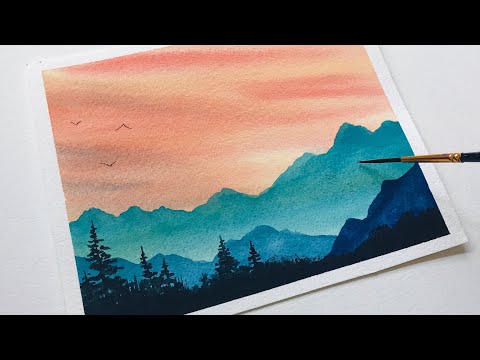
Start oil painting
Oil paint stays wet for hours, so you can blend, fix and rework as you go. Start with a small panel and one simple object. Here's the video that hooks everyone, and everything you need for your first painting.
Space neededA table by a window
First projectA single apple, on a small panel
Skill levelBeginner-friendly, takes patience
Good forAdults and teens, sitting or standing
The video that hooks everyone
A crash course in how to oil paint
A crash course in oil painting, packed into about ten minutes, for anyone who wants to pick up a brush and start. Press play and see why it hooks people.
Is this your video? Claim your page and share in the sales
Tool list
What you need to start
Everything you need for your first project, and nothing you don't. Five tubes of paint, a few brushes and some small panels.
Starter kit
01Student oil paints, 5 tubesTitanium white, a yellow, a red, ultramarine blue and burnt umber mix almost any color.
02Hog bristle brushesA small and a medium flat or filbert, plus one small round for details.
03Palette knifeMixes paint on the palette without wearing out your brushes.
04Canvas panels, 8 x 10 in.Small, flat and cheap. A pack of five is plenty to start.
05PaletteA disposable paper palette pad is easiest. A sheet of glass works too.
06Linseed or safflower oilA little thins the paint, and it cleans brushes without harsh solvents.
07Brush soapFor the last wash after the oil.
08Lint-free rags or paper towelsFor wiping brushes and toning the panel.
09Table easelHolds the panel upright so you see it straight on.
The manual tells you what to look for when you buy each one.
- 1Painting light before darkOil paint covers well, but lights mixed into wet darks turn muddy. Block in the darks first, then work toward the lights.
- 2Too much oil, too soonThick, oily paint underneath and thin paint on top can crack later. Start thin and add a little more oil in later layers.
- 3Starting too bigA big canvas takes a lot of paint and a lot of hours. Learn on an 8 x 10 in. panel.