Start blacksmithing
Heat steel until it glows, then shape it with a hammer into hooks, pokers and tools that last a lifetime. Here's the video that hooks everyone, and everything you need for your first S-hook.
Space neededA patch of dirt outdoors
First projectAn S-hook in an afternoon
Skill levelBeginner-friendly
Good forOutdoor, hands-on makers
The video that hooks everyone
Start forging in your backyard, no special tools
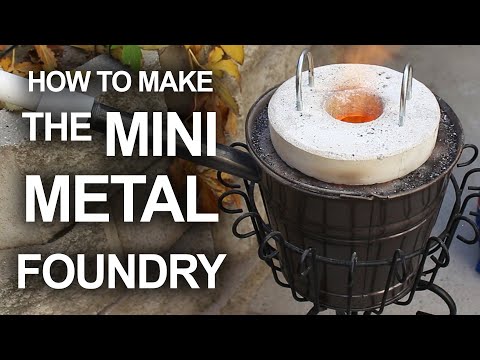
A few bricks and a bed of glowing charcoal, set right on the ground, become a working forge. No shop and no special tools. Press play and see why it hooks people.
Is this your video? Claim your page and share in the sales
Tool list
What you need to start
Everything you need for your first project, and nothing you don't.
Starter kit
01Cross-peen hammerAbout 2 pounds. Heavy enough to move hot steel, light enough to swing all afternoon.
02Anvil or heavy steel blockAnything big, flat and hard. A thick chunk of scrap steel works to start.
03TongsHold the hot steel. Get a pair that fits the bar you'll use.
04Fire bricksBuild the walls of your forge. Dry bricks only.
05Hair dryer + steel pipeBlows air under the coals so they get hot enough to move steel.
06Lump charcoalReal hardwood charcoal, not briquettes. Briquettes leave too much ash.
07Mild steel round bar1/4 inch round to start. Plain steel, never galvanized.
08Safety glasses + ear plugsHot flakes of scale fly, and an anvil rings loud.
09Metal bucket of waterFor cooling tongs and finished pieces, and for emergencies.
The manual tells you what to look for when you buy each one.
- 1Hammering cold steelOnce the glow fades below red, put it back in the fire. Hitting cold steel can crack it and jars your arm.
- 2Using galvanized or mystery metalThe zinc coating on galvanized steel gives off fumes that make you sick. Buy plain mild steel.
- 3Grabbing the wrong endHot steel looks cold long before it's safe. Pick things up by the end that stayed out of the fire.